Sport Balls Icons: Graphics That Define Editorial Quality
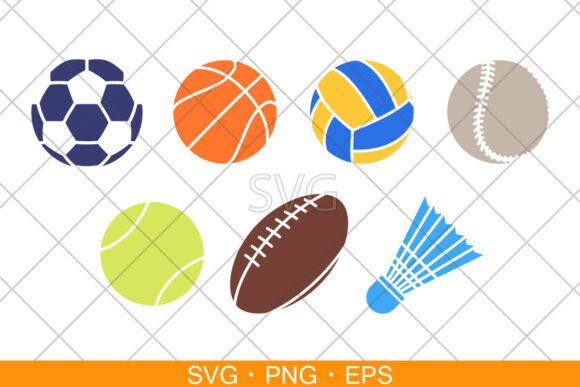
From the moment I downloaded this set of icon graphics, my immediate impression was a sense of clarity and editorial utility. The glyph design of these core sports equipment pieces—a soccer ball, football, basketball, baseball, tennis racket, and badminton shuttle—instantly communicates a clean, modern, and professional visual mood. This isn't a playful, overly decorative set; it's a functional design asset that feels educational, straightforward, and builds reader trust through its clean execution.
The Publisher's First Impression: Trust and Clarity
As someone who constantly needs to build visual hierarchy quickly, these icons hit the mark. Their glyph style, with uniform line weight and simplified shapes, creates an instant sense of cohesion. For bloggers and digital marketers covering sports, fitness, lifestyle, or youth activities, this set naturally supports content that needs to look polished and clickable. It feels neither overly masculine nor feminine—it's neutral, reliable, and focused on clear visual communication.
Real-World Publishing Workflows: Where These Icons Excel
I'm envisioning a blogger preparing a series of posts on summer sports guides. The immediate applications are plentiful. These Sport Balls Icons can become the cornerstone for a suite of content marketing visuals.
- Featured Images & Article Headers: Placing a single, bold basketball icon alongside a headline like "5 Drills to Improve Your Shot" creates a strong first impression and immediate category recognition.
- Pinterest Graphics & Social Media Previews: The SVG files allow for easy scaling and color changes to match a brand palette, making them perfect for creating eye-catching Pinterest pins or Instagram story graphics for affiliate content.
- Digital Guides & Lead Magnets: A downloadable workout planner or sports camp checklist uses these icons as section headers, improving visual hierarchy and making the digital product look more professional.
- Newsletter Graphics & Website Banners: A rotating banner on a sports news site could use the icons as clean category indicators. A newsletter header announcing "This Week in Tennis" would benefit from the crisp tennis racket graphic.
- Canva Templates & Printables: With PNGs included, these are easily dropped into Canva templates for quick social media posts or downloadable worksheets, streamlining content creation for small business owners.
Supporting Content Performance: Beyond Simple Decoration
A strong graphic design asset like this does more than fill space. It actively supports your content's performance. Using these icons consistently across a blog or a series of digital guides creates a stronger visual identity. Readers begin to associate that clean football icon with your quality football analysis content, building subconscious brand recognition. This consistency leads to improved reader trust—your site looks deliberately designed, not haphazard. For affiliate marketers, this polish can translate to better click-through potential; a well-designed graphic implies a credible recommendation.
Hero Images, Thumbnails, and Editorial Accents
This is where the asset shines. The SVG format means infinite scalability without quality loss, perfect for large hero images or website headers. As article thumbnails, even at small sizes, the simple shapes remain recognizable, which is crucial for mobile screens. They work wonderfully as editorial accents within a text-heavy blog post, providing visual breaks and reinforcing topic sections without overwhelming the reader.
Where to Apply Caution: Context Matters
While versatile, every design asset has its ideal context. For this set, I'd be careful using it on extremely text-heavy blog images where the icon might compete rather than complement. On very busy layouts or low-contrast backgrounds, the glyphs might lose their impact. Also, for serious professional niches like corporate sports medicine reports or highly formal academic publications, the style might lean slightly too informal. In a website striving for an ultra-minimal visual system, you might want even more abstract representations.
Practical Publisher Notes Before You Launch
Before you drop these into your next project, run through this checklist. It’s what I do with every new commercial design asset.
- Test Across Screens: Preview the PNGs as tiny mobile thumbnails. Does the baseball icon still look like a baseball?
- Preview in Real Layouts: Place one icon into an actual draft blog post beside your headline. Does it balance with your font?
- Experiment with Typography: Try the icons alongside a serif font for a classic editorial feel, a sans-serif for modernity, or even a bold display font for a poster-like effect. The clean glyphs pair well with most.
- Check Contrast & Readability: If you invert colors (white icon on dark background), ensure the lines remain crisp.
- Consider File Size & Performance: The included SVG files are typically lightweight, perfect for web performance. For PNGs, remember to compress properly for web use.
- Confirm Commercial Licensing: Since this set is intended for real publishing, double-check the license covers use on monetized websites, affiliate pages, and within paid digital guides or printables. This is non-negotiable for professional use.
Final Thoughts: A Foundational Asset for Sports Content
For bloggers, content creators, and online educators in the sports and active lifestyle niche, Sport Balls Icons represent a foundational design asset. They provide a complete, coherent sport equipment set that can elevate blog graphics, define website branding, and add a layer of professionalism to editorial content and downloadable resources. They solve the common problem of sourcing disparate, stylistically mismatched icons for different sports. By offering a unified visual language—through SVG, PNG, and EPS files—they empower you to create a more consistent and trustworthy visual presentation across all your publishing channels, from your blog to your social media to your digital products.