Soccer Shirt Christmas Decor: A Designer’s Honest Review
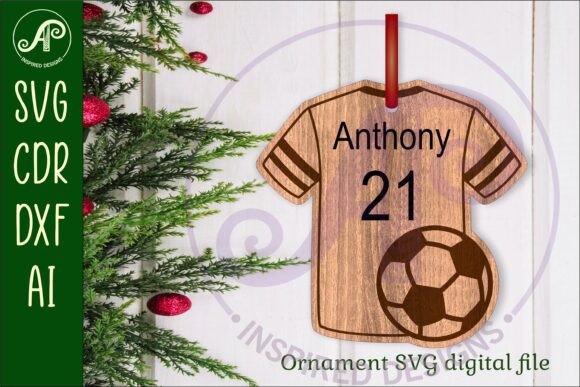
When you’re designing seasonal products, novelty can be a double-edged sword. It grabs attention, but it can also feel disjointed. So when I first saw the Soccer Shirt Christmas Decor, I was curious. The idea of merging a sport jersey silhouette with holiday ornamentation is undeniably clever. My first impression was that this design possesses a playful, nostalgic mood. It feels like it’s meant for someone who wants their holiday cheer to have a personal signature—that blank area for personalization is the key.
The Shape and Layout: Where This Design Finds Its Home
The soccer shirt shape is instantly recognizable and brings a structured, clean outline to the embroidery canvas. This isn’t a sprawling, intricate scene; it’s a contained emblem. That makes it naturally belong to projects where you want a focal point without overwhelming the fabric. I immediately thought of it on the chest of a cozy holiday sweatshirt, centered on a canvas tote bag for a sports-loving family, or as a standalone patch that could be applied to a stocking or an apron. For small business owners, especially those catering to families or sports communities, this design translates into merchandise with a very specific, heartfelt appeal.
Considering Real-Life Embroidery Performance
Let’s walk through a real scenario. Imagine you’re preparing a custom embroidered sweatshirt as a Christmas gift for a client whose kid plays soccer. You load the embroidery file. The clean outline—likely meant for a satin stitch border—and the internal engraved details (which would translate to running stitches or lighter fill stitches in embroidery) present a nice balance. The “shirt” portion offers a large, blank area. In embroidery, this is a fantastic canvas for adding a name, year, or short message with clean lettering.
On fabrics like mid-weight cotton for tote bags, or fleece-backed sweatshirt material, the design should stitch out with good clarity. The defined shape helps with registration. For baby clothes or delicate items like tea towels, you’d need to be mindful. The overall size and potential stitch density in the outlined areas require a sturdy stabilizer to prevent puckering on thinner fabrics. It’s not a design I’d automatically choose for a very stretchy fabric like a thin knit without significant testing.
A Note on Visual Appeal and Customer Trust
From a commercial perspective, this design boosts product value through its personalized touch. A finished embroidered piece, say on a pillow cover or a kitchen towel, looks intentionally handmade and thoughtful. That builds customer trust—it shows you’re offering something beyond generic holiday motifs. For Etsy sellers and craft fair vendors, it’s a design that prompts engagement. A buyer sees the blank space and immediately imagines their own name or message on it. That’s a powerful sell.
However, the engraved details mentioned in the description need careful translation into stitches. If those details are very fine lines, they might lose clarity on textured fabrics like some blankets or on dark fabric backgrounds unless you use a high-contrast thread. Always test the design on scrap fabric first, mimicking the final product’s material. Check thread color contrast thoroughly; a white or light silver thread on a dark green holiday sweatshirt could make those engraved details pop beautifully.
Where to Use It Carefully: A Practical Designer’s List
Not every embroidery project is a perfect fit. Based on the design’s structure, here are situations where you should proceed with extra caution.
- Small Hoop Sizes: If the design is large, forcing it into a small hoop might compromise detail integrity. Confirm the design size and your hoop capacity.
- Textured or Dark Fabrics: Fine details can get lost. A bolder stitch type or contrasting thread is essential.
- Curved Surfaces Like Caps: The rectangular shirt shape might not adapt gracefully to a cap’s curve without distortion.
- Products Requiring Frequent Washing: If the stitch area is dense, ensure your stabilizer and stitch choices are durable.
- Tiny Lettering in the Blank Area: If you add very small personalization, it must be executed with precision to look professional.
Embroidery Designer Notes for Your Workflow
Before committing this design to a client project or your small shop merchandise, make it part of your standard prep routine.
- Run a Test on Scrap Fabric: Use the exact material you plan for the final product. Inspect the small details.
- Check It in Black and White: View the design in a simple mockup on both light and dark backgrounds to assess its visual strength.
- Review Stitch Density: If the file has heavy fill areas, consider whether it’s suitable for delicate fabrics.
- Use Proper Stabilizer: Never skip this step. It ensures crisp results, especially on apparel or items like aprons.
- Confirm Licensing: The product mentions laser cutting, but for embroidery, you must verify the license terms if you’re selling finished items or digital embroidery files derived from it. Don’t assume.
The Final Word on Commercial and Gift Use
The Soccer Shirt Christmas Decor, from an embroidery designer’s viewpoint, is a niche design with strong potential. It won’t be your mass-market holiday staple, but for personalized gifts and targeted boutique products, it shines. It adds a layer of recognition—sports fans instantly connect with it—and enhances giftability because of that personalization field. For your craft business, it’s a design asset that can fill a specific order or inspire a limited-run product line.
Remember, its success hinges on your embroidery execution. Clean stitching on the outline, careful handling of the interior details, and flawless personalization text will make the finished product feel professional and premium. Approach it with the same practical rigor you apply to all your embroidery projects, and this design can become a delightful and profitable part of your winter or holiday collection.